Best gardeners in Hammersmith W6 for small courtyard gardens
If you have a small courtyard garden in Hammersmith W6, you already know the charm and the challenge. There's the morning light on the paving, the smell of damp soil after rain, the lovely feeling of having a private outdoor corner in the middle of London. And then there's the other side: cramped access, patchy shade, pots that dry out too quickly, and a space that can tip from "cosy" to "cluttered" in no time.
That is exactly why choosing the best gardeners in Hammersmith W6 for small courtyard gardens matters. A good gardener is not just someone who mows and tidies. In a compact courtyard, they need to understand design, drainage, planting structure, maintenance rhythm, and how to make a small space feel calm rather than crowded. This guide breaks down what to look for, how the work usually happens, and how to judge whether a gardener is a real fit for your garden, your budget, and your day-to-day life.
Along the way, you'll find practical advice, a comparison table, common mistakes to avoid, and a checklist you can actually use. If you want the job handled with care, it also helps to look at a wider set of trusted services, like the team's garden services overview, their pricing and quotes information, and the practical details in their insurance and safety page. Small spaces are unforgiving, to be fair. The right approach makes all the difference.
Table of Contents
- Why Best gardeners in Hammersmith W6 for small courtyard gardens Matters
- How Best gardeners in Hammersmith W6 for small courtyard gardens Works
- Key Benefits and Practical Advantages
- Who This Is For and When It Makes Sense
- Step-by-Step Guidance
- Expert Tips for Better Results
- Common Mistakes to Avoid
- Tools, Resources and Recommendations
- Law, Compliance, Standards, or Best Practice
- Options, Methods, or Comparison Table
- Case Study or Real-World Example
- Practical Checklist
- Conclusion
- Frequently Asked Questions
Why Best gardeners in Hammersmith W6 for small courtyard gardens Matters
Small courtyard gardens are very different from larger suburban gardens. There is nowhere for poor planning to hide. A planting choice that looks fine in a catalogue can become too bulky in a narrow yard. A drainage issue can show up fast after a wet spell. Even basic maintenance, like pruning or weed control, can be tricky if access is tight or the space is shared with bins, bikes, or a side return.
In Hammersmith W6, that matters even more because many homes have compact outdoor areas shaped by terraces, mews, conversions, and townhouses. These gardens often have hard landscaping, walls, limited sunlight, and a need for year-round neatness. A skilled gardener understands that a courtyard is not a mini version of a big garden. It is its own thing entirely.
Here's the practical difference: a general gardener might keep things tidy. A strong courtyard specialist can make the space feel bigger, lighter, and easier to live with. They know how to choose plants that won't overwhelm the area, how to manage moisture in confined soil beds, and how to create visual rhythm with structure, texture, and height. In other words, they make the garden work with the property instead of fighting it.
That also matters if you are trying to rent, sell, or simply enjoy the space without constant faff. A small courtyard can be surprisingly valuable when it feels intentional. One neat seating corner, one well-shaped evergreen, one good climbing plant on a wall, and suddenly the whole place changes. Small win, but a real one.
How Best gardeners in Hammersmith W6 for small courtyard gardens Works
The best gardening service for a small courtyard usually starts with a practical assessment. The gardener will look at what is already there, what can be saved, what needs cutting back, and what needs replacing. They will also consider sunlight, drainage, access, and how much upkeep you realistically want.
In a good first visit, expect questions like:
- How much time do you want to spend maintaining the garden each month?
- Do you want a tidy, minimalist courtyard or something lush and planted?
- Are there pets, children, or shared access points to consider?
- Is the space mostly shade, partial shade, or full sun?
- Do you want planting that changes through the seasons or something evergreen and low-maintenance?
That early conversation is more useful than many people realise. If a gardener rushes straight into quoting without understanding the layout, it can be a warning sign. Courtyard work often involves solving small problems that have layered causes. Water runs to one corner. Pots dry unevenly. A wall blocks light. A previous planting scheme looked great in spring but became messy by July. A thoughtful gardener spots these things early.
For many homeowners, the service can include pruning, weeding, pot planting, lawn care where relevant, pressure-free tidying, seasonal planting changes, soil improvement, and waste removal. Some jobs are one-off transformations. Others are on a regular maintenance cycle. If you want to compare what is usually included, it is worth checking a provider's full service overview before you book.
And yes, the best gardeners in this niche tend to work cleanly and carefully. Courtyard spaces are often close to doors, windows, and furniture. You want someone who respects the property, not someone who leaves behind soil streaks and a half-open gate. That sounds obvious, but let's face it, not every trade behaves as if they've met a broom before.
Key Benefits and Practical Advantages
A well-managed courtyard garden does more than look nice. It changes how the property feels and how you use it day to day. The benefits are practical, visual, and, frankly, a bit emotional too.
- Better use of space: A small courtyard can be made to feel purposeful rather than cramped.
- Lower maintenance stress: Good planting choices and a sensible schedule reduce constant fiddling.
- Improved first impression: Neat paving, healthy containers, and balanced planting instantly lift kerb appeal.
- More privacy: Clever use of screening plants or wall climbers can soften overlooked spaces.
- Better year-round structure: Evergreens, shaped shrubs, and repeat planting keep the garden from looking bare in winter.
- Healthier plants: Courtyard gardens can be tough on plants; the right gardener chooses varieties that can cope.
There is also a lifestyle benefit that is easy to underestimate. A tidy courtyard often becomes a place you actually use. A chair comes out. A coffee appears. You glance outside in the early evening and think, yes, this feels good. That little habit of using the space can make a home feel more complete.
For landlords and busy owners, another advantage is consistency. If a gardener offers scheduled visits, the space does not drift into a state of vague neglect between seasons. If you're weighing ongoing upkeep, the pricing and quotes page can be a sensible starting point for understanding how regular work is typically framed.
Expert summary: In a small courtyard, the best results usually come from restraint, not cramming. Choose fewer plants, stronger structure, and a maintenance plan that matches real life. That is what makes the garden feel intentional instead of busy.
Who This Is For and When It Makes Sense
This service is ideal if your outdoor area is small, enclosed, or awkwardly shaped and you want it improved without turning it into a high-maintenance project. It especially suits people who want the space to look better all year, not just after a spring tidy-up.
You may need a specialist gardener for a small courtyard if:
- your garden is mostly paving, planters, or narrow beds;
- plants keep failing because the site is too shaded, windy, or dry;
- the courtyard feels cluttered, even when it is technically tidy;
- you want more privacy from neighbouring windows;
- you are preparing a property for sale or letting;
- you need regular maintenance but do not have time to stay on top of it yourself.
It also makes sense if you already know the garden needs more than a quick tidy. Perhaps the shrubs have got too leggy, the pots are mismatched, or the whole space just feels a bit tired. A good gardener will not oversell. Sometimes the smartest move is a phased approach: tidy first, then replant in stages. That way you get results without rushing into the wrong plants or layout.
For some people, especially in London, the courtyard is the only private outdoor room they have. In that case, the job is not purely decorative. It is about comfort, calm, and making decent use of limited square footage. A tiny garden can still be deeply satisfying. Honestly, sometimes the smallest spaces are the most rewarding because every improvement is visible straight away.
Step-by-Step Guidance
If you are trying to hire the right gardener and improve a courtyard garden properly, a structured process helps. Here is a sensible way to go about it.
1. Walk the space slowly
Look at the garden in daylight and notice where water collects, where the sun lands, and which corners always feel forgotten. If possible, check it at different times of day. A courtyard at 8 a.m. can feel very different at 4 p.m., and that changes what will grow well.
2. Decide what the space should do
Ask yourself whether you want a relaxing sitting area, a green backdrop, a low-maintenance display, or a mix of all three. Small gardens work best when they have one or two clear roles. Too many goals, and the space starts to wobble.
3. Identify the hard limits
Check access, drainage, nearby vents, loose paving, wall conditions, and any awkward corners. These practical constraints matter more in courtyard gardens than in open plots. If the drainage is poor, for example, the plant choice must reflect that from day one.
4. Choose the right type of gardener
Look for experience with compact urban gardens, not just general lawn care. The best gardeners in Hammersmith W6 for small courtyard gardens should be comfortable with pruning, container planting, soil improvement, and neat finishing. If you need reassurance on process and care standards, the site's health and safety policy and insurance and safety information are helpful trust signals.
5. Ask for a clear quote and scope
Do not assume the quote includes everything. Ask what is covered: labour, green waste removal, planting, materials, seasonal visits, and any extra restoration work. Transparent pricing is a good sign. Hidden vagueness is not.
6. Start with a tidy-and-assess visit
In many cases, the best first step is not a full redesign. It is a clean, careful cut-back and assessment. Once the structure is visible, the gardener can suggest realistic improvements. This usually saves money and avoids expensive mistakes.
7. Build a maintenance rhythm
Courtyard gardens often look best with small, regular interventions rather than big infrequent overhauls. Think pruning, deadheading, watering checks, and seasonal refreshes. A little often beats a heroic rescue every six months. Most days, anyway.
Expert Tips for Better Results
A courtyard garden succeeds on detail. The big picture matters, yes, but the little choices carry the weight.
- Use repetition: Repeating one or two plant types creates calm and makes a small garden feel bigger.
- Go vertical: Trellises, climbers, and wall planting use height without eating floor space.
- Pick containers carefully: Large pots often work better than lots of small ones, because they hold moisture and create visual order.
- Mind the materials: Pale paving can brighten a shaded courtyard, while darker materials can feel more enclosed.
- Choose plants for conditions, not wishful thinking: If the space is dry shade, do not fight it with plants that want full sun.
- Think in layers: Ground level, mid-height, and vertical interest create depth in tight spaces.
A practical little trick: stand at your back door and look out as if you were seeing the garden for the first time. What catches the eye first? If it is a pile of tools, a tired pot, or a wall of miscellaneous green stuff, that is where the work needs to begin. Visual simplicity tends to win in small courtyards.
If you are trying to be more sustainable, ask your gardener about composting, reusing healthy soil, and selecting long-lived plants. The recycling and sustainability page is worth a look if you want to understand how green waste and responsible upkeep are handled.
One more thing: water management. In a courtyard, the wrong watering habit causes problems quickly. Too much water can make containers swampy; too little and everything crisps up by midweek. A gardener who understands that balance will save you a lot of frustration.
Common Mistakes to Avoid
Small courtyard gardens tend to fail for familiar reasons. The good news? Most of them are avoidable.
- Overplanting: Too many plants make the area feel crowded and harder to maintain.
- Ignoring shade patterns: A garden that gets one hour of sun does not need a full-sun planting scheme.
- Using too many pot styles: Mixed containers can look busy rather than curated.
- Skipping drainage checks: Courtyards often suffer from waterlogging in corners or around hard surfaces.
- Choosing high-maintenance plants without a plan: Pretty is not the same as practical.
- Forgetting access: If a gardener cannot easily move equipment or green waste through the space, the job becomes slower and messier.
- Focusing only on the first visit: A courtyard needs ongoing care, even if the work is light.
Another common one is wanting everything at once. A seating area, a mini wildlife patch, a formal clipped look, a jungle vibe, a herb corner, and a storage solution. In a bigger garden, maybe. In a small courtyard, that list becomes a tug-of-war. Better to choose the strongest idea and let it breathe.
And do not underestimate maintenance after the transformation. A newly improved space can slide back surprisingly quickly if nobody keeps an eye on it. That is not a criticism; it is just how compact gardens behave.
Tools, Resources and Recommendations
The right tools make a courtyard job cleaner, quicker, and more precise. You do not need a shed full of equipment, but you do need the basics used well.
| Tool or Resource | Why It Helps | Best Use in a Courtyard |
|---|---|---|
| Hand pruners | Clean cuts on small stems and shrubs | Deadheading, shaping, tidy reduction |
| Compact hedge shears | More control in tight spaces | Edging and light shaping |
| Watering can or hose with control | Better watering accuracy | Containers, new planting, dry corners |
| Soil improver or compost | Improves planting conditions | Beds that need structure and moisture retention |
| Sturdy pots and troughs | Support root growth and visual order | Feature planting and seasonal displays |
| Green waste removal service | Keeps the space clean after work | Pruning, clear-outs, and regular maintenance |
For clients, the most useful resource is a gardener who explains things plainly. That includes what will happen first, what can wait, and what should not be attempted in the wrong season. If you are comparing providers, the quotes guidance helps you understand how to ask sensible questions. You can also use the accessibility statement if you need to know how easy it is to use the site and request information.
If you want to keep your courtyard looking better with less effort, ask for a maintenance plan that is boring in the best possible way. A plan that covers pruning windows, watering checks, seasonal tidy-ups, and waste removal. Boring is good here. Boring keeps gardens looking good.
Law, Compliance, Standards, or Best Practice
For domestic gardening work in the UK, the main concern is not legal complexity so much as safe, responsible practice. You do not need to become an expert in regulations, but it is sensible to choose a gardener who works carefully and transparently.
Good practice usually includes:
- using appropriate protective equipment where needed;
- handling tools safely and storing them properly;
- checking access routes so the work does not damage property;
- disposing of green waste responsibly;
- carrying appropriate insurance for the work being done;
- being clear about scope, payment, and timing;
- respecting neighbours and shared access in tight London settings.
If you live in a terrace or conversion with close neighbours, noise, access, and waste movement matter more than people often expect. A considerate gardener will plan around that and avoid making a simple tidy-up into a small neighbourhood drama. We've all seen that happen.
If you want added reassurance, check the provider's trust pages. The team's health and safety policy and insurance and safety information help show that those basics are taken seriously. There are also supporting pages such as the modern slavery statement and complaints procedure, which matter because trustworthy businesses are usually transparent businesses.
Options, Methods, or Comparison Table
If you are deciding how to improve a small courtyard, you usually have three broad options. Each one suits a different level of time, budget, and ambition.
| Approach | Best For | Pros | Trade-Offs |
|---|---|---|---|
| One-off tidy and reset | Overgrown or neglected courtyards | Fast, satisfying, good starting point | Needs follow-up to stay tidy |
| Seasonal maintenance visits | Busy homeowners and landlords | Consistent, manageable, cost-conscious | Less dramatic than a full redesign |
| Full redesign and planting plan | Courtyards that feel awkward or dated | Best for long-term transformation | Higher cost and more planning needed |
For many London courtyards, the seasonal maintenance option is the sweet spot. You get enough attention to stop the space slipping, but not so much change that the garden becomes a project you have to manage every weekend. If the structure is already decent, that method often gives the best value.
A quick comparison between a general gardener and a small-space specialist is also useful:
- General gardener: good for broad maintenance, lawn care, and basic tidy work.
- Courtyard specialist: better for planting decisions, visual balance, awkward access, and compact-space design.
If your garden is tiny, a specialist usually wins. That's the short version.
Case Study or Real-World Example
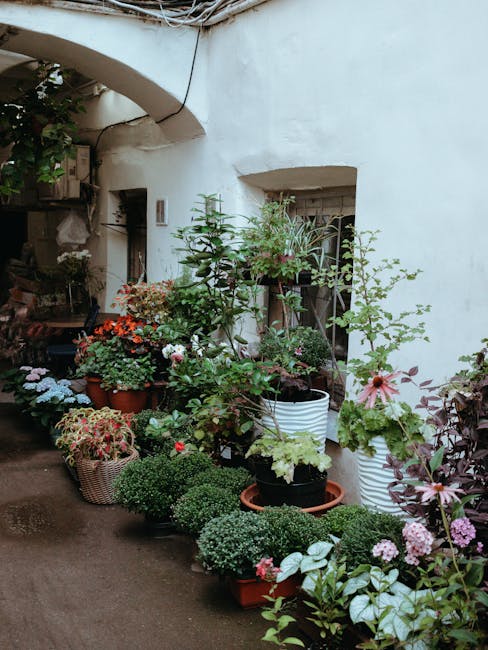
Imagine a typical Hammersmith courtyard: paved floor, two narrow beds, a wall facing north-east, and a few tired containers that have become home to one determined but slightly miserable shrub. The owners use the space occasionally, but it has started to feel more like storage than a garden.
A sensible gardener would usually begin by cutting back anything overgrown, clearing dead material, and checking whether the existing soil is workable. They might remove or reshape a couple of pots to open the sightline from the back door. Then they would introduce structure: perhaps an evergreen focal plant, a climbing plant against the wall, and a small number of coordinated containers for seasonal colour.
Nothing dramatic. No fantasy jungle. Just practical, calm improvement.
After the first visit, the garden would likely look cleaner and more spacious. After a few follow-up visits, the planting would settle, the maintenance would become predictable, and the owners would probably start using the space more often. A chair appears. A small table. Maybe a candle on summer evenings. It sounds simple, but that is usually the point. A courtyard garden should fit your life, not demand a second job.
If the owners wanted to keep it sustainable, they might ask for healthier soil management, reuse of good pots, and responsible waste removal. That is where a service approach built around recycling and sustainability can add real value without making the process feel preachy.
Practical Checklist
Use this checklist before you book a gardener for a small courtyard garden in Hammersmith W6.
- Have you measured the space or taken clear photos?
- Do you know how much sunlight it gets during the day?
- Have you identified the main problem: clutter, planting, drainage, or maintenance?
- Do you want a one-off tidy, a redesign, or ongoing care?
- Have you checked whether access is easy for tools and waste removal?
- Have you asked what the quote includes?
- Have you confirmed whether materials and green waste are included?
- Do you know if the gardener has experience with compact urban gardens?
- Have you reviewed trust information such as insurance, safety, and payment terms?
- Do you have a rough idea of how much upkeep you want after the work is done?
Quick takeaway: If the answers above are clear, you are much more likely to get a result that looks good now and still works six months later. That last part matters more than people think.
Conclusion
The best gardeners in Hammersmith W6 for small courtyard gardens are the ones who understand that compact spaces need precision, restraint, and a bit of creativity. They know how to make a tiny area feel calmer, greener, and more usable without overwhelming it with too much planting or overcomplicated ideas.
When you choose well, you get more than a tidy garden. You get a space that feels easier to live with, easier to maintain, and more satisfying every time you step outside. That matters in London, where outdoor space is precious and every square metre has to earn its keep.
If you are comparing options, start with clear photos, a realistic brief, and a proper conversation about maintenance. A good local gardener will tell you what can be improved quickly, what should be phased, and what will genuinely last. Simple, honest, useful. That is the sweet spot.
Get a free quote today and see how much you can save.
And if your courtyard has been bothering you for a while, don't worry. Most small gardens are only a few good decisions away from feeling like themselves again.
Frequently Asked Questions
What makes a gardener suitable for a small courtyard garden?
A suitable gardener understands compact-space planting, access limits, drainage, and how to make a small area feel open rather than crowded. Experience with urban gardens matters a lot.
How often should a courtyard garden be maintained?
It depends on the planting and your goals, but many small courtyards benefit from seasonal or monthly attention. A light, regular schedule usually works better than occasional heavy work.
Can a small courtyard garden still look lush?
Yes, absolutely. The trick is to use layers, repetition, and the right plants for the light levels. Lush does not have to mean messy.
What should I ask for in a quote?
Ask what is included, such as labour, materials, pruning, planting, waste removal, and follow-up visits. A clear quote helps you compare providers properly.
Is a redesign worth it for a tiny courtyard?
Often, yes, if the current layout feels awkward or difficult to maintain. Even small changes to structure and planting can make a noticeable difference.
What plants work well in Hammersmith courtyard gardens?
That depends on shade, sun, and moisture, but the best choices are usually compact, resilient, and suited to container or restricted-root conditions. A local gardener should advise on this in context.
How do I keep a small courtyard low maintenance?
Use fewer plant types, choose evergreens or slow-growing species, and keep the layout simple. Low-maintenance gardens are usually the result of good design, not luck.
Do gardeners remove green waste?
Many do, but not all. It is best to check in advance whether removal is included in the quote or charged separately.
Why does drainage matter so much in courtyard gardens?
Courtyards often have hard surfaces and limited soil depth, so water can pool or run unevenly. Poor drainage affects plant health and can make the space harder to use.
How can I compare different gardeners fairly?
Compare experience, scope, communication, trust signals, and clarity of pricing rather than only the headline number. The cheapest quote is not always the best value.
Are regular gardening visits better than one-off jobs?
For most small courtyards, regular visits are better if you want the garden to stay neat and balanced. One-off jobs are useful for resets, but upkeep keeps the improvement alive.
What signs show a gardener knows their way around small spaces?
They ask about access, light, drainage, and maintenance habits before quoting. They also suggest practical planting and avoid overcomplicating the job.